

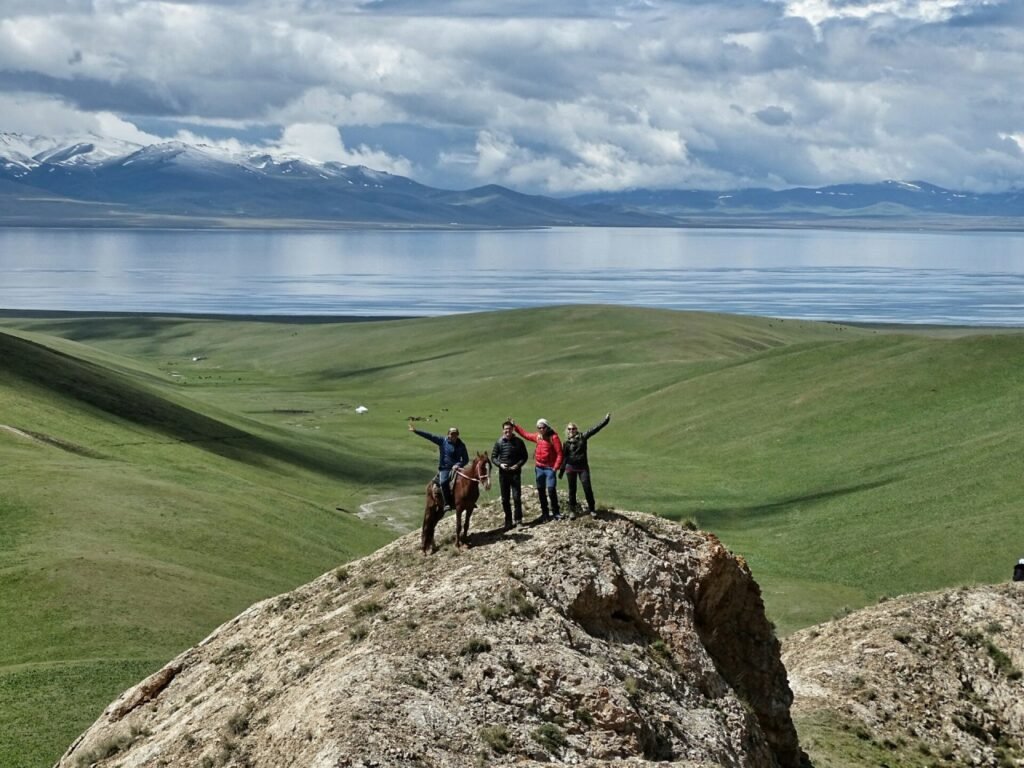
The Wild Heart of Central Asia
Kyrgyzstan is one of the most exciting adventure travel destinations on the planet right now. This landlocked Central Asian republic is 94% mountains, almost entirely covered in wilderness, and still refreshingly off the beaten path. Think epic trekking routes that rival Nepal, pristine alpine lakes you will practically have to yourself, nomadic culture that has barely changed in centuries, and some of the warmest hospitality you will ever encounter.
This Kyrgyzstan travel guide covers everything adventure travelers need to know before landing in this breathtaking mountain republic — from when to visit and visa requirements to altitude preparation and the best destinations to explore.
When to Visit Kyrgyzstan
Kyrgyzstan is a four-season country, but when you go makes a massive difference. The gap between June and October can mean the difference between wide-open passes and closed valleys under a metre of snow.
| Peak Season: June – August | The golden window. All mountain passes open, jailoos lush and green, yurt camps in full swing. Warm days, cool nights. National horse games like Kok-Boru happen July–August. |
| Shoulder: May, Sep & Oct | Fewer tourists, lower prices. Most high-altitude passes closed. Ideal for Issyk-Kul shores, lower valleys and southern regions. September brings golden foliage. |
| Off-Season: Mar, Apr & Nov | Almost no tourists. Yurt camps closed. Mountain routes inaccessible. Bishkek still worth visiting for its local rhythm. |
| Winter: Dec – Feb | A hidden gem for skiers. Karakol Ski Resort, Zhyrgalan Valley freeride, and smaller bases near Bishkek. Excellent powder at a fraction of European prices. |
| PRO TIP If you can only choose one month, pick late July or early August. All passes are open, the jailoos are in full bloom, and you will catch national horse games like Kok-Boru and Ulak Tartysh. |
Visa & Entry Requirements
Great news for travelers: Kyrgyzstan has one of the most open visa policies in Central Asia. Citizens of over 60 countries — including the US, UK, EU nations, Canada, Australia, and Japan — can enter visa-free for 30 or 60 days depending on nationality.
If your country is not on the visa-free list, an e-visa is straightforward to obtain online at evisa.e-gov.kg, costs around $20–30, and is typically approved within 3–5 business days.
- Passport must be valid for at least 6 months beyond your entry date
- Registration is required if staying more than 5 days — hotels do this automatically
- Keep your migration card if you are given one at the border
- Extensions are possible in Bishkek at the State Registration Service
| IMPORTANT Always double-check the current visa policy for your nationality before travel. The Kyrgyz Ministry of Foreign Affairs website is the most reliable source. |
Getting to Kyrgyzstan
There are no direct flights from Western Europe or North America yet. Most travelers connect through Istanbul (Turkish Airlines), Dubai (flydubai), Moscow, or Almaty in Kazakhstan. The main entry point is Manas International Airport in Bishkek.
If you are doing a broader Central Asia trip, crossing overland is half the adventure. The Bishkek–Almaty crossing is smooth and popular. The Osh–Sary-Tash route leads toward the legendary Pamir Highway. Border crossings into China via Torugart or Irkeshtam require permits and advance planning.
| BUDGET TIP Flying into Almaty (Kazakhstan) and taking a shared taxi to Bishkek is often significantly cheaper than flying direct to Manas. The journey takes 3,5–4 hours and is a well-travelled, easy route. |
Getting Around the Country
Getting around Kyrgyzstan is one of the great adventures — and one of the humbling logistics challenges. Mountain terrain means roads are dramatic, distances are deceiving, and journey times always depend on conditions.
Shared taxis & buses: The backbone of local transport. Shared taxis run between all major towns at very low prices. They depart when full rather than on a schedule. Bishkek to Karakol (380 km) takes 5–7 hours.
Renting a 4WD: For reaching deep valleys, a 4WD is transformative. Roads to Jyrgalan, Arslanbob, or Sary Chelek are rough. CBT offices can connect you with reliable local drivers who know the terrain.
Horse trekking: For some routes, the horse is genuinely the best transport — particularly crossing high passes and reaching remote jailoos where no vehicle can go. This is the traditional way, and it is spectacular.Hitchhiking: Widely practised and generally safe. A small payment is usually expected. A brilliant way to meet locals and see the country authentically.
Top Destinations in Kyrgyzstan
Bishkek — A surprisingly cool, tree-lined capital with a great food scene, lively bazaars (Osh Bazaar is a must), and the ideal base for logistics before heading into the mountains.
Issyk-Kul — The world’s second-largest alpine lake at 1,600m. Swim its warm waters, explore ancient petroglyphs, and hike into the surrounding Tian Shan. Base yourself in Karakol on the eastern shore.
Song-Kul Lake — A high-altitude plateau lake at 3,016m surrounded by rolling jailoos and summer yurt camps. One of the most iconic landscapes in all of Central Asia.
Karakol & Surroundings — The adventure capital of Kyrgyzstan. Gateway to Altyn Arashan hot springs, Ak-Suu gorge, Karakol Ski Resort, and the Zhyrgalan freeriding valley.
Tash Rabat — A remarkably preserved 15th-century caravanserai in a high mountain valley near the Chinese border. The journey there is as spectacular as the destination itself.
Arslanbob & Sary Chelek — Lush southern Kyrgyzstan with the world’s largest natural walnut forest, terraced orchards, and a distinctly different cultural rhythm from the north.
Outdoor Adventures
Trekking & hiking: World-class and still largely uncrowded. The Ak-Suu Traverse (6–7 days near Karakol) offers glacier crossings and high passes. Jyrgalan Valley has excellent trail infrastructure. No permits needed for most routes.
Horseback riding: Horse culture is woven into everything here. A multi-day horse trek around Song-Kul or through Issyk-Kul province will change your relationship with travel.
Skiing & freeriding: Karakol Ski Resort is the country’s largest, with excellent powder and lift passes at a fraction of European prices. Zhyrgalan Valley is the real gem for freeriders, operating December through March.
Eagle hunting: One of the last places on Earth where hunting with golden eagles is still practised. Spend time with berkutchi (eagle hunters) around Issyk-Kul or Nura village.
Mountain biking: An emerging scene, especially in Jyrgalan Valley where singletrack trails have been developed. Rent bikes in Bishkek or Karakol.
Climbing: The Tian Shan contains serious alpine peaks including Khan Tengri (6,995m) and Peak Lenin (7,134m) — bucket-list objectives for experienced mountaineers.
Where to Stay
Yurt camps: Sleeping in a yurt is an experience that lives up to the hype. In summer, nomadic families operate yurt camps across the jailoos. You will sleep on a töshök (traditional felt mat), eat home-cooked meals with the family, and wake to the sound of horses grazing outside.
CBT guesthouses: Community-Based Tourism (CBT) is one of the best-organized travel systems in Central Asia. Local families offer simple rooms, meals, horse hire, and guide services at fixed, fair prices. Money goes directly to rural communities. CBT offices operate in Bishkek, Kochkor, Karakol, and Naryn.
Hotels & guesthouses: Bishkek and Karakol have good options from budget guesthouses to boutique hotels. In smaller towns, a family guesthouse is usually the only option — and often the most memorable part of the trip.
| PRO TIP Book guesthouses on key trekking routes (Altyn Arashan, Jyrgalan, Song-Kul) at least a week in advance in peak season. They fill fast and there are no walk-in alternatives in the mountains. |
Food & Drink
Kyrgyz cuisine is hearty, meat-centric, and built for people who spend all day on horseback in mountain air. Here are the dishes every visitor should try:
Beshbarmak — The national dish: boiled lamb or horse meat on wide flat noodles, served from a communal plate. Almost ceremonial in its presentation. Eat with your right hand and accept the best cuts graciously.
Lagman — Hand-pulled noodles in rich lamb broth with vegetables. Deeply satisfying after a long day of hiking or riding.
Manti — Steamed dumplings filled with lamb and onion, served with sour cream. Universally loved across the region.
Samsa — Baked pastry stuffed with meat and onions. The perfect quick, cheap meal from any bakery.
Kymyz — Fermented mare’s milk. Slightly sour, slightly fizzy, mildly alcoholic. Try it at least once — refusing is considered impolite in a yurt setting.
Shoro drinks — Traditional grain-based drinks (Maksym, Jarma) sold from street carts in Bishkek. Refreshing and very local.
Money & Budget
Kyrgyzstan is one of the most affordable adventure destinations in the world. The currency is the Kyrgyz Som (KGS). Cash is king outside Bishkek — ATMs in smaller towns can be unreliable. Always bring more cash than you think you will need for mountain excursions.
| Category | Budget | Mid-Range | Comfortable |
| Accommodation/night (per person) | $15–25 | $30–35 | $50–120 |
| Meals/day (per person) | $5–10 | $15–25 | $30–45 |
| Transport/day (per person) | $3–8 | $30–50 | $150–250 |
| Guided trek/day (per group) | $80–100 | $150–200 | $200–350 |
| Daily total (per person) | $50–100 | $120–200 | $250–500+ |
| MONEY TIPS Exchange USD or EUR to Som in Bishkek at exchange offices (not banks) for the best rates. Cards work in Bishkek and large towns — plan to be cash-only in rural areas. Tipping 10% at restaurants is appreciated. |
Health & Altitude
Altitude sickness (AMS) is the most important health consideration for travelers in Kyrgyzstan. Many popular routes reach 3,500–4,500m, and altitude must be actively managed.
Altitude guidelines:
- Ascend gradually — gain no more than 300–500m sleeping altitude per day above 3,000m
- Spend at least one night in Bishkek (760m) or Karakol before heading higher
- AMS symptoms include headache, nausea, dizziness, and fatigue — do not push through these
- Descent is always the cure for serious symptoms
- Consult your doctor about Diamox (acetazolamide) before your trip
- Stay very well hydrated — you lose water faster than you realize at altitude
Water safety: Do not drink tap water or untreated stream water. Even crystal-clear mountain streams can carry giardia from upstream livestock. Use a filter bottle, iodine tablets, or bottled water.
Medical care: Bishkek has reasonable clinics. Outside the capital, facilities are very limited. Carry a first aid kit and comprehensive travel insurance with emergency evacuation cover — this is non-negotiable in a mountain country.
Vaccinations: No mandatory vaccinations for entry, but Hepatitis A, Typhoid, and Tetanus are commonly recommended. Check with your travel health clinic before departure.
What to Pack for Kyrgyzstan
Kyrgyzstan packs a huge range of conditions into a single trip. You might be sweating in a Bishkek bazaar in the morning and wearing a down jacket on a mountain pass by evening.
Clothing: Moisture-wicking base layers, insulating mid-layer (fleece), waterproof shell jacket, down jacket or vest, trekking trousers, warm hat and gloves, sun hat, lightweight town clothes, and swimwear for Issyk-Kul.
Gear: Sturdy hiking boots (broken in before arrival), trekking poles, 3-season sleeping bag, headlamp, filter water bottle, sunscreen SPF 50+, UV400 sunglasses, trekking backpack, and lightweight daypack.
Essentials: First aid kit, Diamox, water purification tablets, offline maps (download Maps.me before departure), large power bank, universal adapter, cash in USD or EUR, passport copies, and travel insurance documents.
| DON’T FORGET Download Maps.me offline maps before you go — phone signal disappears fast in the mountains. Save CBT contact numbers and guesthouse addresses offline too. |
Culture & Etiquette
Kyrgyz people are famous for their hospitality, rooted in the concept of meimandos — meaning a guest is a gift from God. You will be offered tea within minutes of entering almost any home.
- Remove shoes when entering a yurt or home. Accept food and drink offered — refusing is impolite. Small gifts are appreciated.
- Tea: Your cup will be refilled constantly. To politely signal you are done, place your hand over the top of the cup.
- Beshbarmak etiquette: Eat with your right hand from the shared plate. Accept the best cuts offered to honoured guests graciously.
- Dress modestly outside cities — cover up in rural areas and the more conservative south.
- Always ask before photographing people. Most Kyrgyz are happy once asked and many will pose enthusiastically.
- Use your right hand (or both hands) for giving and receiving money, food, or gifts.
SIM Cards & Connectivity
Mobile coverage is decent in cities and along major roads, but disappears quickly in the mountains. Both SIM cards and eSIMs can be purchased directly at Manas Airport on arrival — the price is the same everywhere, so there is no need to shop around the city.
The main operators are Beeline, MegaCom, and O!. MegaCom has the best rural coverage and is most recommended for trekkers heading into remote areas. Bring your passport to purchase. Wi-Fi is available in most Bishkek cafes and increasingly in Karakol guesthouses. In remote valleys, assume no signal — bring a satellite communicator like Garmin inReach if trekking solo. WhatsApp, Telegram, and Instagram all work without a VPN.
Useful Kyrgyz Phrases
Learning even a few words earns enormous goodwill — people light up when a foreigner tries to speak Kyrgyz.
| English | Kyrgyz | Pronunciation |
| Hello | Salamatsyzby | sah-lah-MAHT-siz-bih |
| Thank you | Rakhmat | rah-KHMAT |
| Yes / No | Ooba / Jok | OH-bah / JOCK |
| How much? | Kancha? | KHAN-cha |
| Water | Suu | SOO |
| Food | Tamak | tah-MAHK |
| Where is…? | …kayda? | KAY-dah |
| Beautiful | Sonun | soh-NOON |
| Bon appétit | Ash bolsun | ash bol-SOON |
| Good journey! | Jol bolsun | jol bol-SOON |
Ready to Explore Kyrgyzstan?
Kyrgyzstan will humble you, challenge you, and fill you with a kind of quiet awe that is hard to find in a world of over-touristed destinations. The mountains are enormous, the sky is enormous, the hospitality is enormous — and the tourist crowds are almost nonexistent.
Go before everyone else figures it out. Go with flexible plans, solid boots, and a willingness to sit with a stranger over a bowl of kymyz while the horses graze outside and the Tian Shan rises behind the yurt.Start planning your Kyrgyzstan adventure with Kyrgyz Vibes — your local guides to the wild heart of Central Asia. We offer trekking, horseback riding, yurt stays, and off-road adventures across Kyrgyzstan and the Silk Road region.